Birding in the cloud forest of
Ranchitos del Quetzal and Biotopo del Quetzal "Mario Dary Rivera"

The Biotopo del Quetzal “Mario Dary Rivera” is one of the most important cloud forest reserves in Guatemala. It covers more than 1,000 hectares of primary cloud forest at 1,500-2,300 m (4,920-7,545 ft), which is accessible on short and long loop trails.

Ranchitos del Quetzal is a private reserve, family-owned in the third generation. The reserve covers approximately 40 ha and is located adjacent to the Biotopo del Quetzal. The cloud forest is accessible on two short and well-maintained trails. Ranchitos del Quetzal provides comfortable lodging and healthy food near the Biotopo.

The Biotopo and neighboring private reserves are part of the Sierra de Chuacús, which connects cloud forests of Sierra de las Minas with cloud forests in Alta Verapaz.

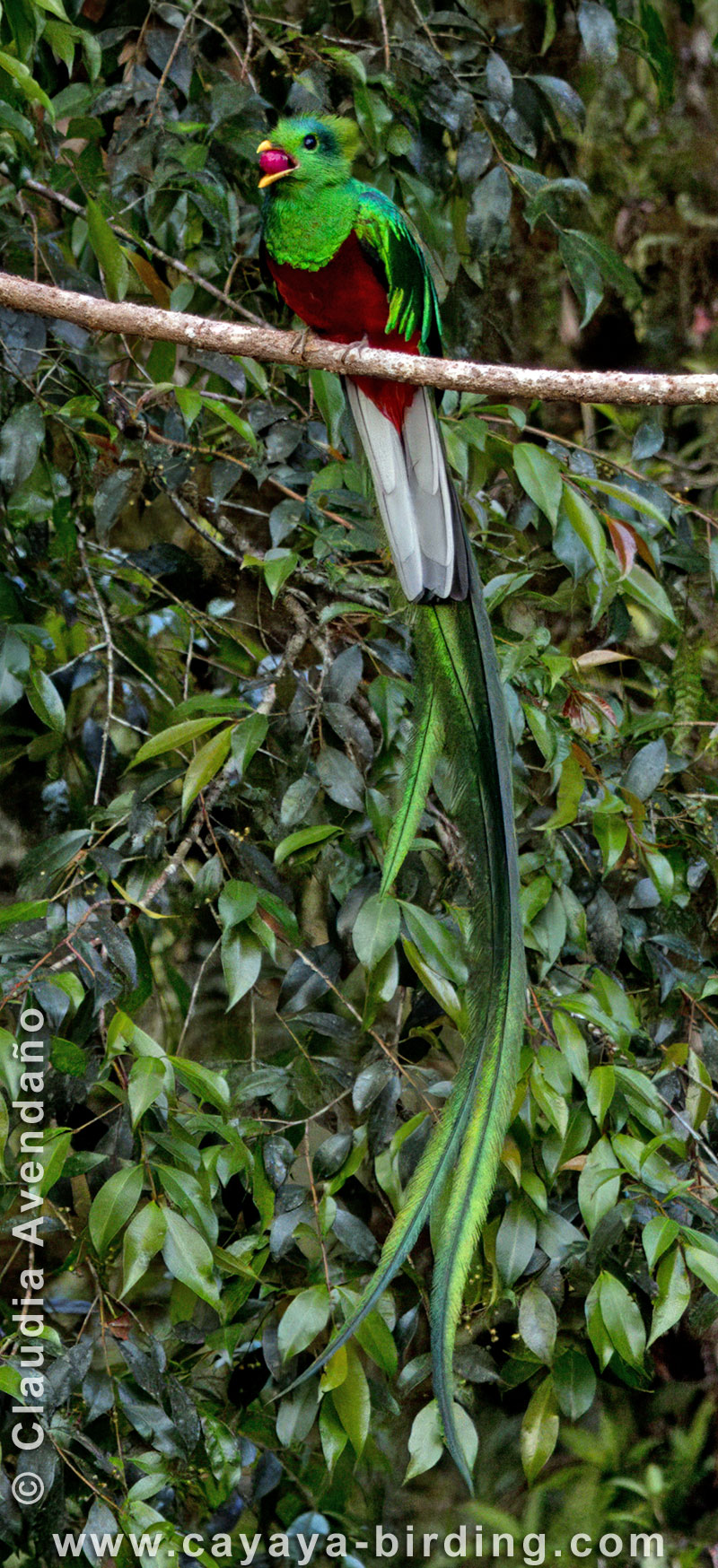
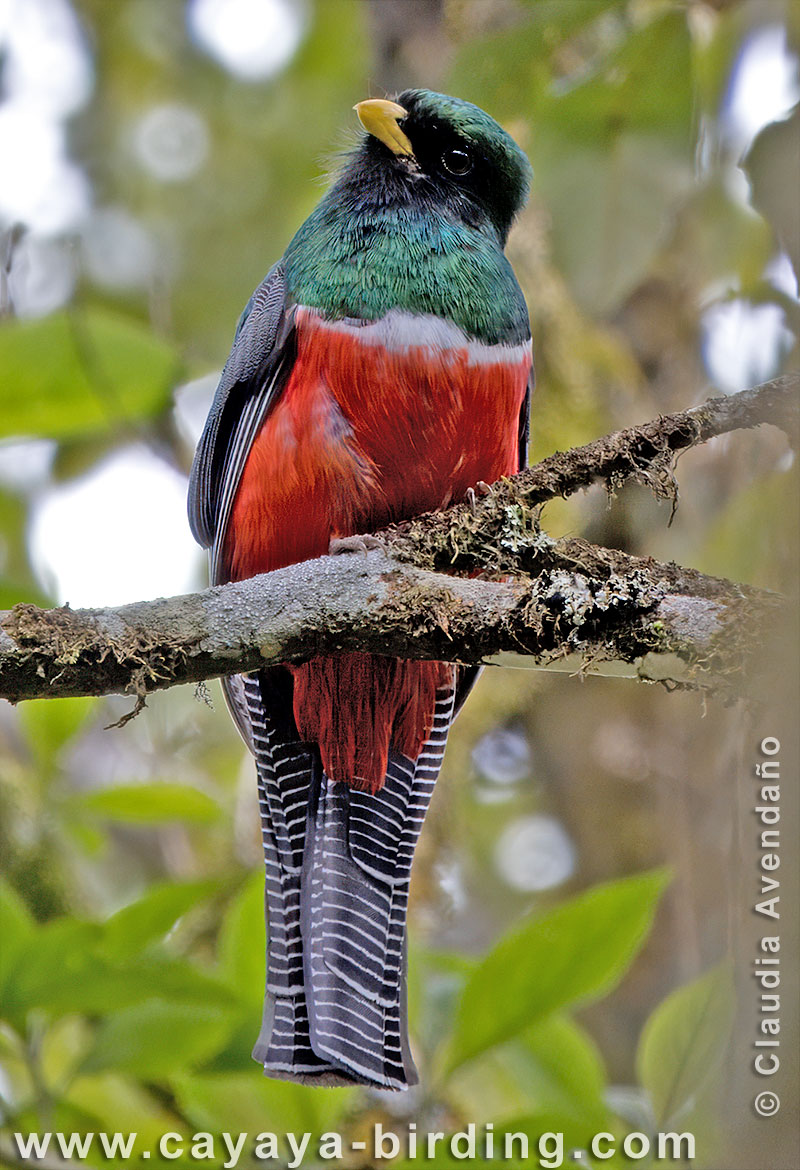
Biotopo del Quetzal and Ranchitos del Quetzal offer good opportunities to see birds of mid-elevation cloud forest, such as the Scaly-throated Foliage-gleaner, Spotted Nightingale-Thrush, Black-headed Nightingale-Thrush, and Tawny-throated Leaftosser. Typical cloud forest species such as Highland Guan, Slate-colored Solitaire, Common Chlorospingus, Blue-crowned Chlorophonia, Unicolored Jay, and Azure-hooded Jay are not missing. Also Nightingale Wren, Shining Honeycreeper, and Golden-cheeked Warbler have been recorded. Resplendent Quetzals are readily observed at Ranchitos del Quetzal.

Access and accommodation: Biotopo del Quetzal can be reached via the CA14 road from Cobán in 1 hour and from Guatemala City in 4 hours. The Ranchitos del Quetzal private reserve currently offers several double rooms with private bathrooms and hot showers, as well as a restaurant - within walking distance from the Biotopo. Various more hotels are located within driving distance from Biotopo del Quetzal.


Best time for birding Biotopo del Quetzal and Ranchitos del Quetzal: Year round.

How do you support conservation and development at Biotopo del Quetzal and Ranchitos del Quetzal? With your entrance fee for visiting these protected areas, you support their conservations and maintenance. The Biotopo del Quetzal has a team of rangers who maintain the trails and visitor center and patrol the borders of the reserve to avoid illegal use and/or extraction of natural resources. They also help diminish the possibility of forest fires through community education programs in the area. Ranchitos del Quetzal provides employment to local people and fosters environmental awareness among visitors of all ages through an education program. Biotopo del Quetzal and Ranchitos del Quetzal are part of the Sierra de las Minas - Motagua Important Bird Area (IBA GT012).